Svalbard Holidays Explained: Cruises, Polar Bears, Wildlife and Choosing the Right Arctic Adventure
Antarctica may grab the headlines, but among experienced expedition travelers there is another polar destination that quietly steals hearts.
In this guide
- Quick answers: Svalbard holidays explained
- Why visit Svalbard? The Arctic without going to Antarctica
- Svalbard or Antarctica: which should you choose?
- Svalbard or Spitsbergen: what is the difference?
- The three best ways to see Svalbard by ship
- 1. Hurtigruten's Svalbard Line: combine Norway with the Arctic
- 2. Hurtigruten Svalbard Mini-Cruise: a shorter, more focused Arctic adventure
- 3. Full expedition cruising: explore Svalbard in greater depth
- Will I see polar bears and other Arctic wildlife?
- When is the best time to visit Svalbard?
- How much does a Svalbard holiday cost?
- Is Svalbard suitable for older travelers?
- Which Svalbard holiday is right for you?
- Frequently asked questions about Svalbard holidays
- Let Suitcase Travel help you choose your Svalbard adventure
A place where glaciers stretch beyond the horizon, polar bears roam the sea ice, whales surface unexpectedly beside the ship and, in summer, the sun refuses to set.
Welcome to Svalbard.
For some travelers, Svalbard is about seeing polar bears in their natural environment. For others, it is the extraordinary scenery, the history of Arctic exploration or simply the opportunity to travel somewhere that feels a world away from everyday life.
But there is an important question to answer before you book.
What is the best way to see Svalbard?
There isn't one answer. You could combine Svalbard with a voyage along Norway's beautiful coastline, take a shorter cruise focused on the archipelago itself, or choose a full expedition cruise designed to explore its remote wilderness.
Each offers a different experience, and the right choice depends on what you want from your holiday.
At Suitcase Travel, we help you understand those differences so you can choose the Arctic adventure that is right for you.
Quick answers: Svalbard holidays explained
Quick answers
- Where is Svalbard?
Svalbard is a Norwegian archipelago in the Arctic Ocean, between mainland Norway and the North Pole.
- What is the difference between Svalbard and Spitsbergen?
Svalbard is the name of the entire archipelago. Spitsbergen is its largest island, where you will find Longyearbyen, the main settlement.
- Can you see polar bears in Svalbard?
Yes, Svalbard is one of the world's best-known destinations for polar bear encounters. However, sightings are never guaranteed.
- What is the best way to see Svalbard?
For the most comprehensive exploration of the archipelago, a full expedition cruise is usually the best choice. The Svalbard Line and Hurtigruten Svalbard Mini-Cruise offer excellent alternatives for travellers with different interests, time and budgets.
- When is the best time to visit Svalbard?
Summer is generally the main season for wildlife-focused cruising and expedition travel. Winter is better suited to Northern Lights experiences and snow-based adventures.
- Is Svalbard better than Antarctica?
Neither is necessarily better. Antarctica is famous for its enormous concentrations of penguins and other wildlife, while Svalbard offers a more exploratory Arctic experience, with opportunities to search for polar bears, walrus, whales and other wildlife.
Why visit Svalbard? The Arctic without going to Antarctica
There are many destinations that offer spectacular scenery and wildlife. Norway, Iceland, Greenland and Arctic Canada all have their attractions.
Svalbard occupies a special place among them.
Here, rugged mountains rise above remote fjords, immense glaciers meet the sea and drifting ice can transform the landscape. It is a place where wildlife encounters are exciting precisely because they are unpredictable.
Depending on your itinerary and conditions, you may encounter:
- Polar bears hunting or resting on the sea ice.
- Walrus hauled out along remote shores.
- Whales feeding in Arctic waters.
- Arctic foxes and Svalbard reindeer.
- Seabirds nesting on dramatic cliffs.
- Glaciers, icebergs and vast wilderness landscapes.
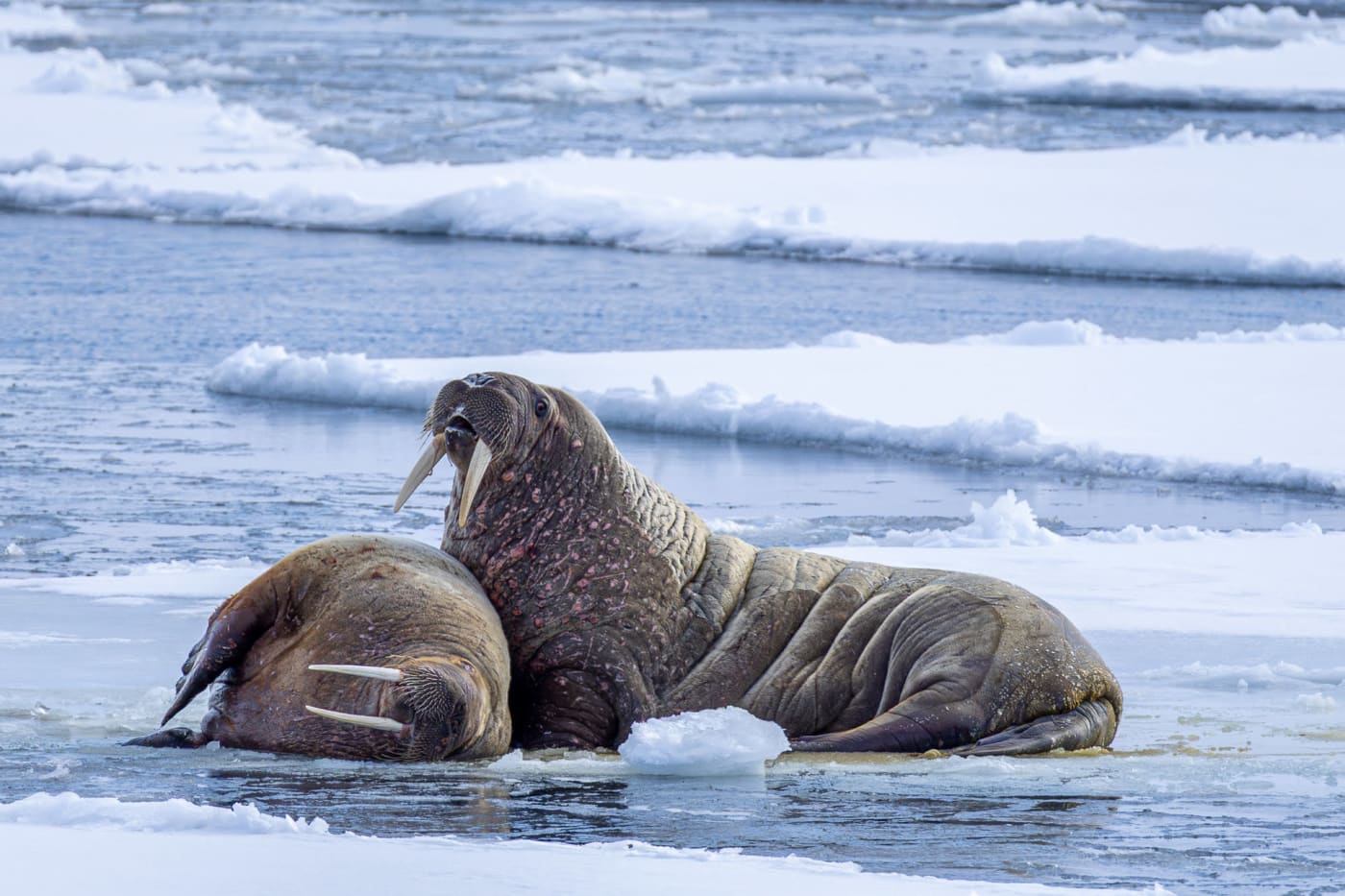
There is also a fascinating human story. Svalbard has been shaped by explorers, trappers, whalers and coal miners. Today, scientific research and the study of the Arctic environment are central to life in the archipelago.
Longyearbyen, the main settlement, is a remarkable place to visit. It is a working community with shops, hotels, restaurants, museums and a history that reflects humanity's determination to live in one of the world's most challenging environments.
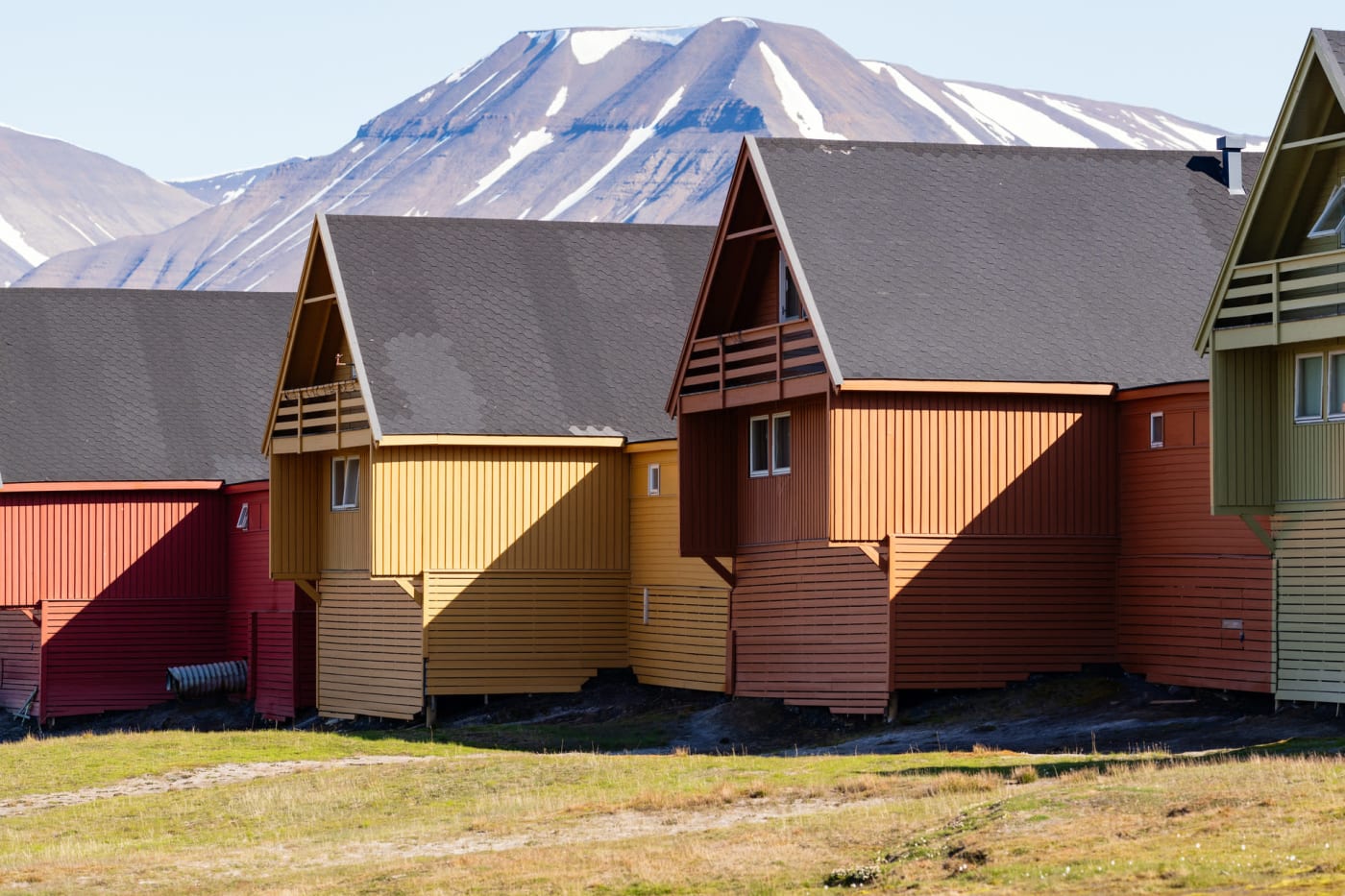
Beyond the settlements, however, the scale of the wilderness becomes apparent. There are very few roads, and much of the archipelago can only be explored by boat or through carefully organised excursions.
That is what makes Svalbard so appealing to travellers who want something beyond a conventional cruise holiday.
Svalbard or Antarctica: which should you choose?
This is a question many travellers ask when considering their first polar adventure.
Both destinations are extraordinary, but they offer different experiences.
Why choose Antarctica?
Antarctica is famous for its enormous penguin colonies, dramatic icebergs and spectacular concentrations of wildlife. During the expedition season, encounters with penguins, seals and whales can be extraordinary.
For many people, Antarctica is the ultimate once-in-a-lifetime polar journey.
Why choose Svalbard?
Svalbard is particularly appealing if you want to explore the High Arctic, search for polar bears and experience a landscape shaped by sea ice, glaciers and extreme seasonal changes in daylight.
It can also be easier to reach from the UK than Antarctica, although the total journey, cost and logistics depend on the itinerary you choose.
One of the biggest differences is the feeling of exploration.
Antarctica often delivers wildlife encounters on a spectacular scale. Svalbard can feel more like an Arctic safari, where the expedition team searches for wildlife and adapts the day's plans to the conditions.
Neither experience is inherently better. The question is whether you are drawn more to Antarctica's extraordinary wildlife concentrations or Svalbard's remote Arctic wilderness.
Svalbard or Spitsbergen: what is the difference?
For many British travellers of a certain generation, the name Spitsbergen may be more familiar than Svalbard.
Older maps and school atlases often used the name of the largest island when referring to the region. Today, the distinction is straightforward:
- Svalbard is the name of the entire Norwegian archipelago.
- Spitsbergen is the largest island within that archipelago.
- Longyearbyen is the main settlement, located on Spitsbergen.
When you book a Svalbard cruise, you will often spend much of your time exploring the coastline of Spitsbergen itself.
However, the wider archipelago includes other islands and extensive areas of sea, ice and wilderness. The exact places you visit will depend on your itinerary, the season and the conditions.
Understanding this distinction is useful when comparing cruises, particularly when one itinerary promises to explore the west coast of Spitsbergen while another aims to travel more widely around the archipelago.
The three best ways to see Svalbard by ship
There is no single cruise that suits everyone. The best option depends on how much time you want to spend in the Arctic and what you hope to experience.
We see three particularly useful ways to approach a Svalbard holiday.
Combine Norway with the Arctic
Hurtigruten's Svalbard Line
Travelers who want a Norwegian coastal voyage with a taste of Svalbard.
A shorter, more focused Arctic adventure
Hurtigruten Svalbard Mini-Cruise
Travelers who want to explore Svalbard itself without committing to a longer expedition voyage.
Explore Svalbard in greater depth
Full expedition cruising
Travelers whose main reason for visiting is the Arctic wilderness, wildlife and remote landscapes.
1. Hurtigruten's Svalbard Line: combine Norway with the Arctic
Best for: Travelers who want a Norwegian coastal voyage with a taste of Svalbard.
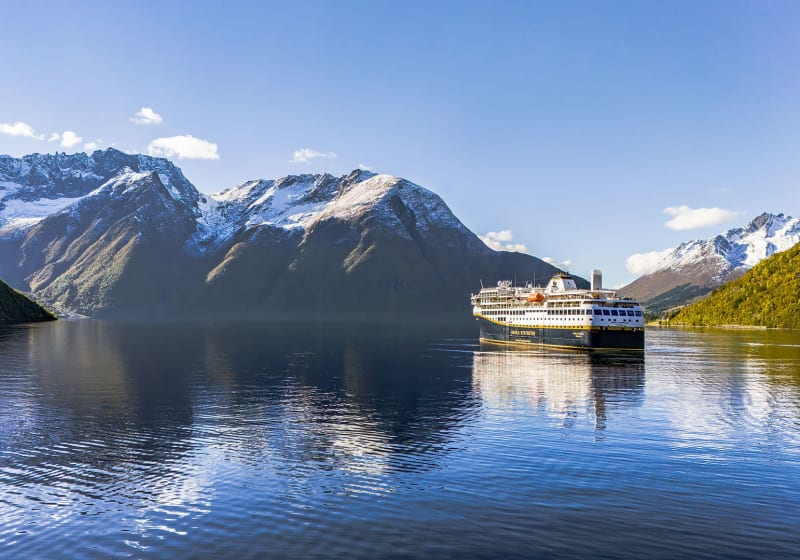
The Svalbard Line combines a voyage along Norway's spectacular coastline with a visit to the High Arctic.
Sailing from Bergen, the itinerary includes Norwegian coastal communities, the Lofoten Islands and the North Cape before crossing towards Svalbard. The voyage includes visits to Longyearbyen and Ny-Ålesund, with opportunities to appreciate Arctic scenery, wildlife and history.
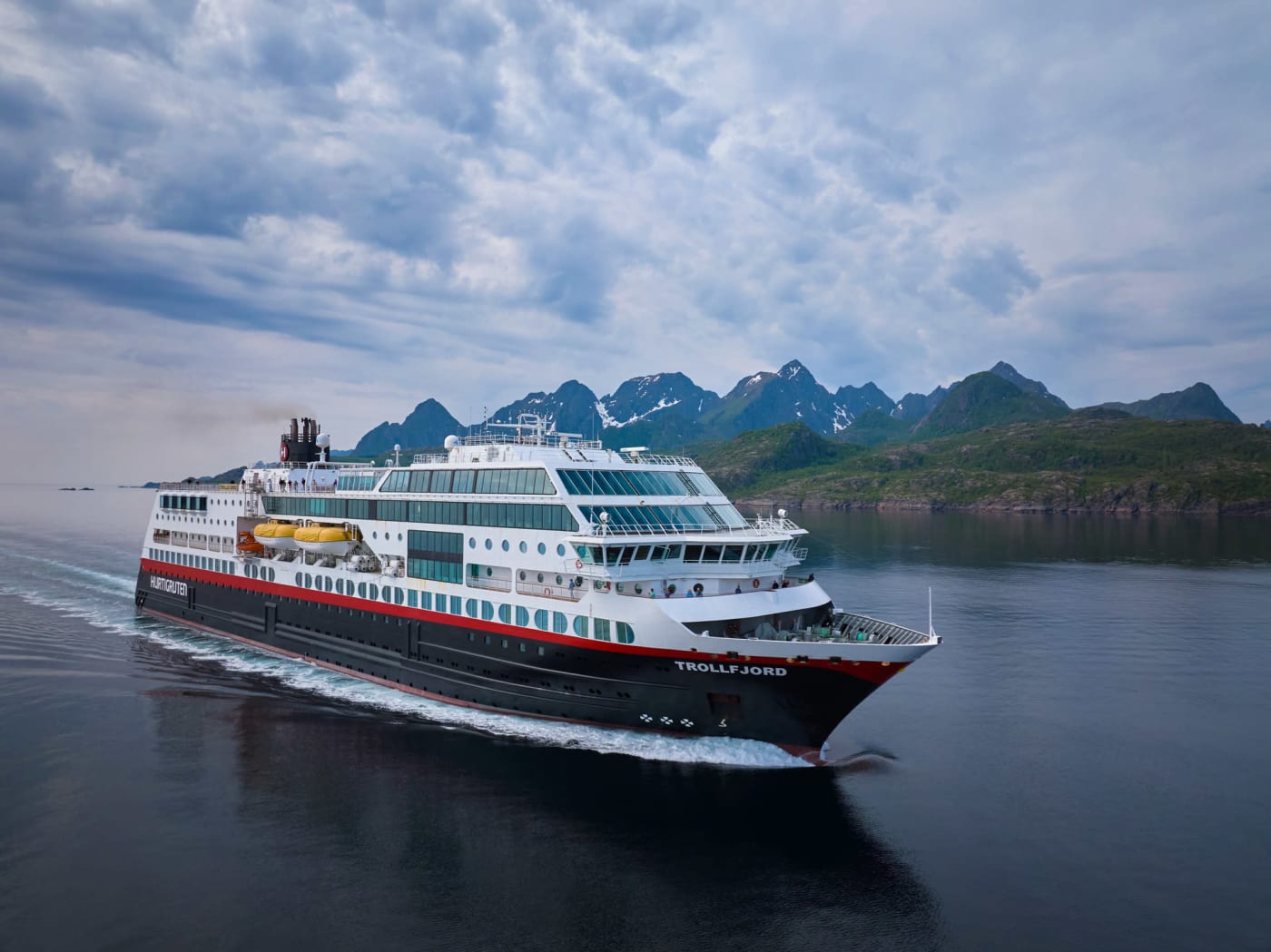
This is a particularly attractive option if Svalbard is part of a wider Norwegian journey rather than the sole purpose of your holiday.
What makes the Svalbard Line different?
Norway's coastal communities are an important part of the experience.
You can enjoy the scenery, discover local history and see how people live along a coastline that has shaped Norwegian life for generations. The journey then takes you further north into a very different environment.
Longyearbyen offers a fascinating introduction to life on the edge of the Arctic. Ny-Ålesund, a former mining settlement now associated with international scientific research, provides another perspective on the region's history and its importance to understanding the Arctic environment.
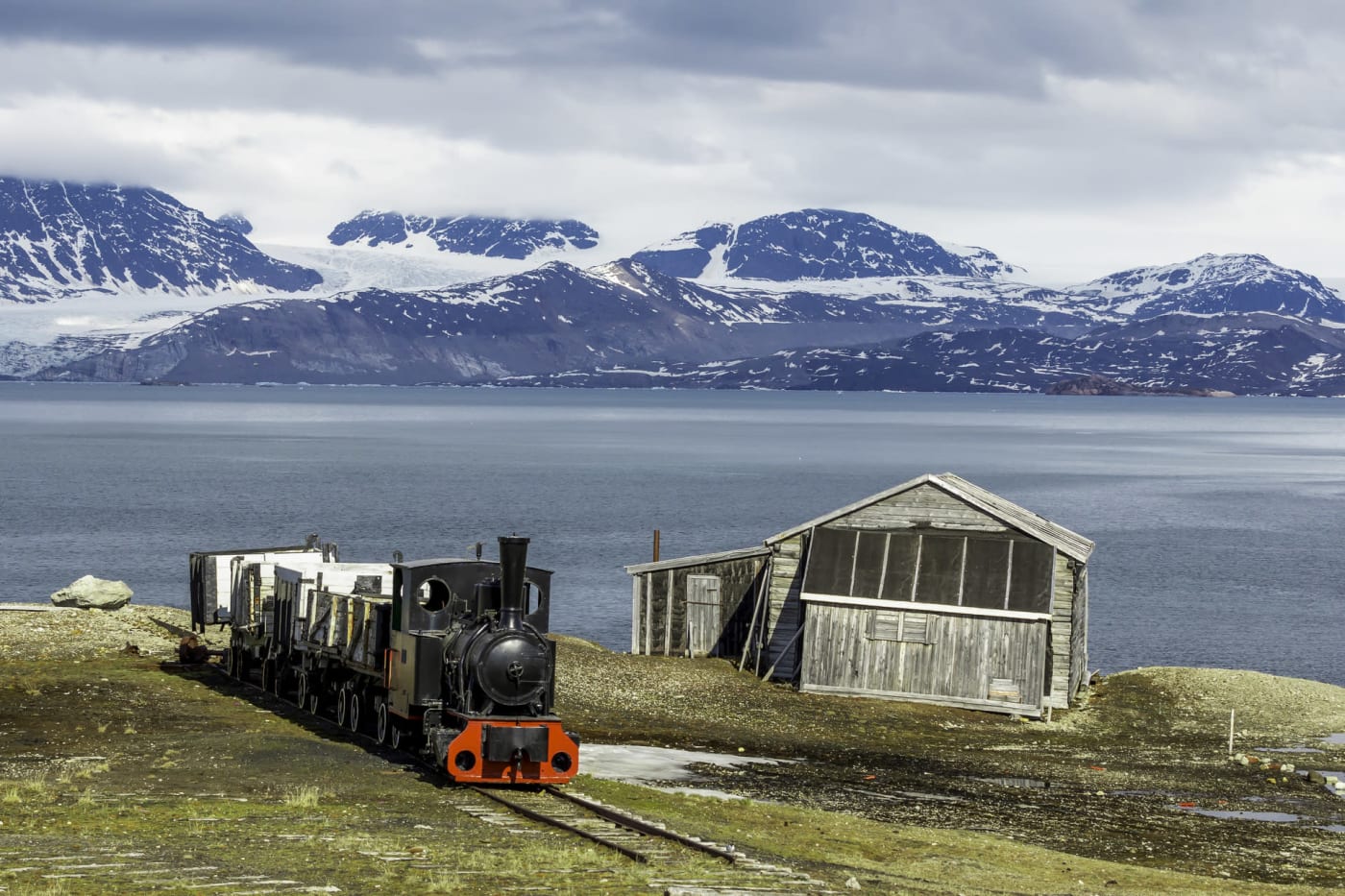
The voyage also offers scenic sailing around Svalbard, including opportunities to appreciate glaciers and remote coastal landscapes.
Is the Svalbard Line an expedition cruise?
Not in the same sense as a dedicated expedition voyage.
The emphasis is on a longer Norwegian coastal journey with an Arctic extension. Although you may encounter wildlife and enjoy spectacular scenery, the voyage is not primarily designed around repeated small-boat landings and searching remote areas for wildlife.
That distinction matters if your main ambition is to see polar bears or explore the wilderness as extensively as possible.
Will I see polar bears on the Svalbard Line?
You may, but sightings cannot be guaranteed.
The voyage provides an opportunity to experience Svalbard and its wildlife, but travelers whose overriding priority is wildlife searching may prefer a dedicated expedition cruise that spends more time exploring the archipelago.
Who should choose the Svalbard Line?
It is an excellent option for travelers who want to:
- Combine Norway and Svalbard in one holiday.
- Experience Norwegian coastal communities and scenery.
- Discover the history of Arctic exploration and settlement.
- Enjoy comfortable shipboard travel without making adventurous landings the main focus.
- Visit Svalbard as part of a broader journey rather than committing to a dedicated expedition.
Think of it as a Norwegian coastal voyage with a fascinating Arctic dimension.
Find out more about the Hurtigruten Svalbard Line.
2. Hurtigruten Svalbard Mini-Cruise: a shorter, more focused Arctic adventure
Best for: Travelers who want to explore Svalbard itself without committing to a longer expedition voyage.
This is an option that deserves more attention than it often receives.
Although it is part of the wider Hurtigruten family, Hurtigruten Svalbard is a separate operating business from the Norwegian Coastal Express company. It has a substantial local presence in the archipelago, with accommodation, excursions and tourism services based in Longyearbyen.
Its Svalbard Adventure Mini-Cruise offers a more focused experience of the Arctic.
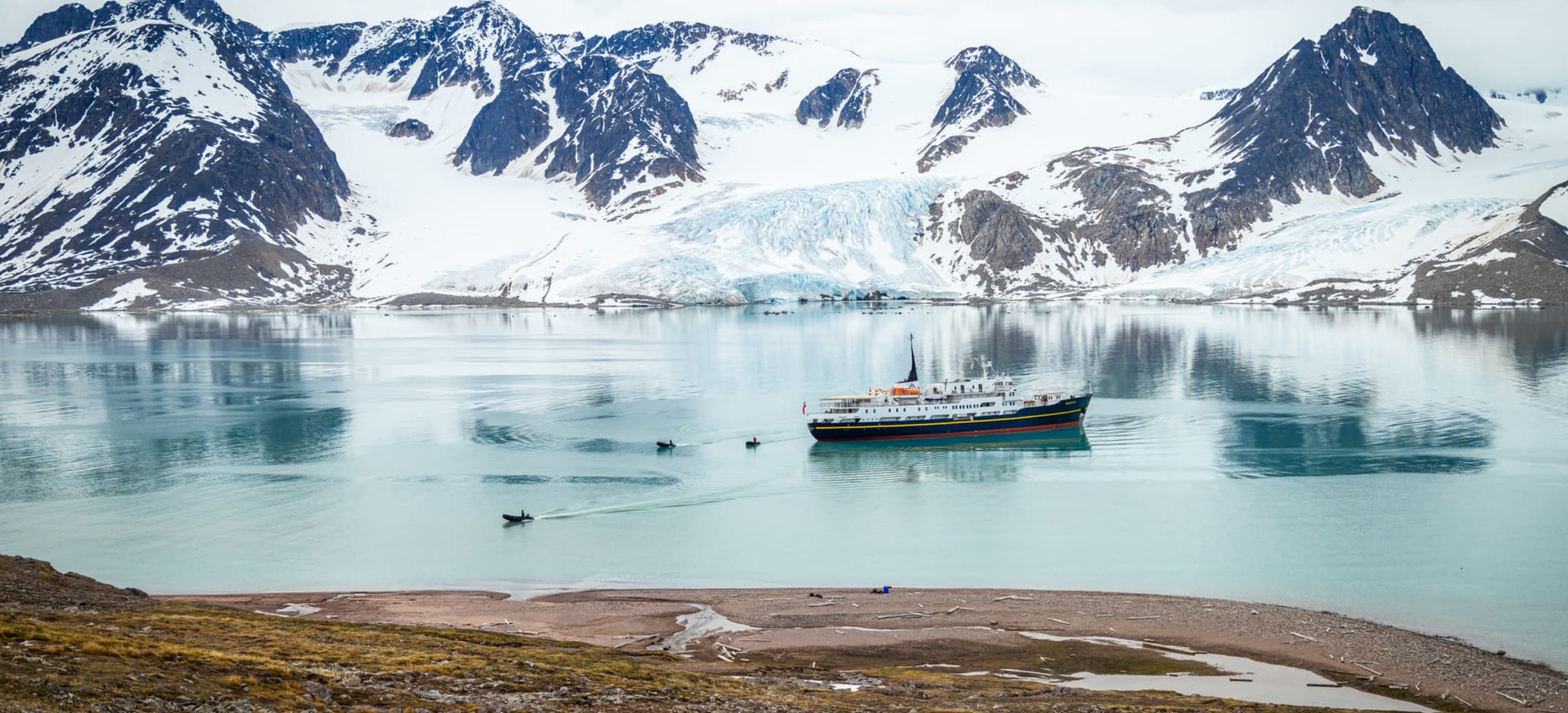
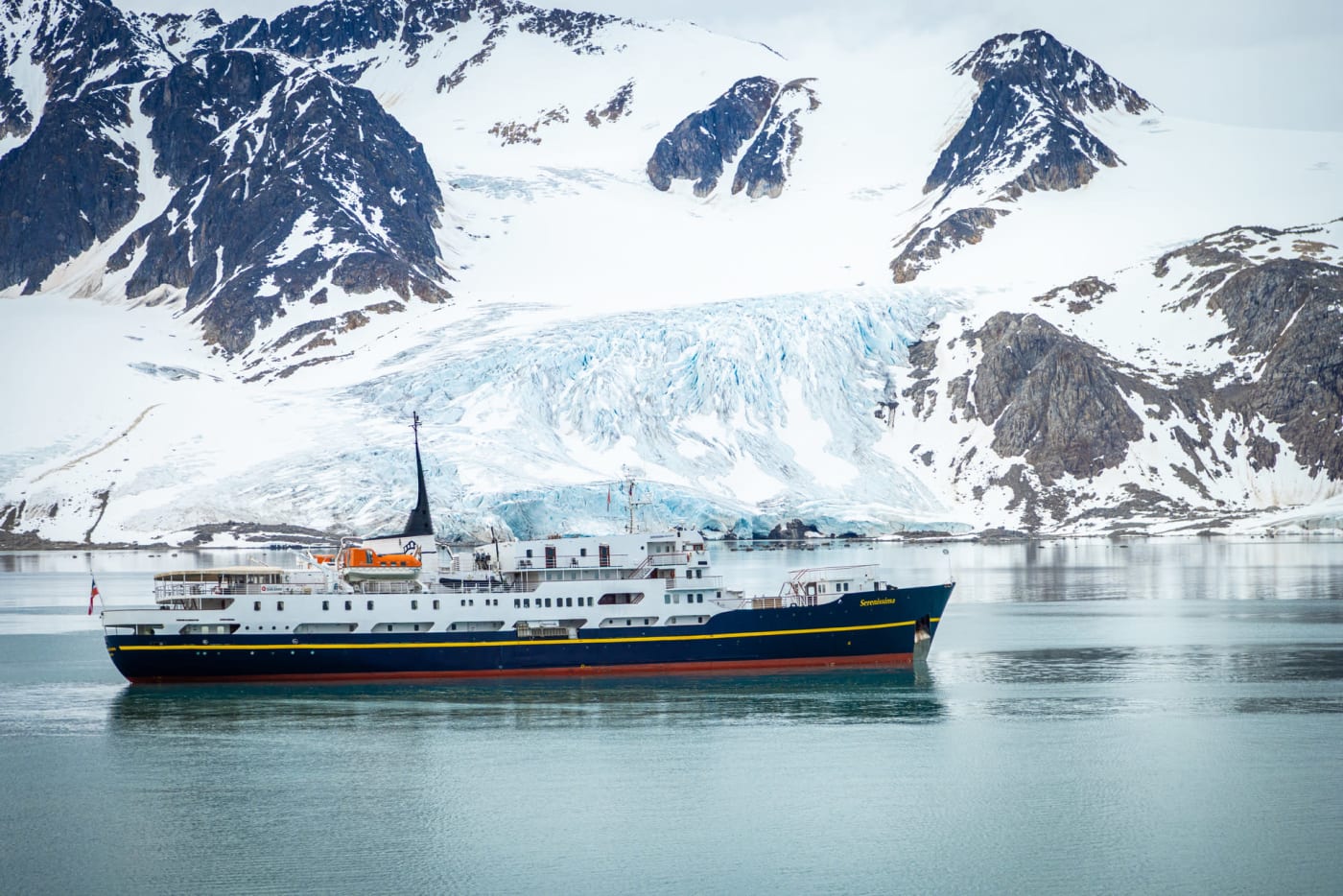
The five-night package combines time in Longyearbyen with a sailing aboard the classic expedition ship MS Serenissima. The cruise explores the west coast of Spitsbergen, with opportunities to travel through fjords, view glaciers, search for wildlife and go ashore using Zodiac boats where conditions permit.
It offers a useful middle ground between a longer Norwegian coastal voyage and a full expedition cruise.
What can you see on a Svalbard Mini-Cruise?
The experience is built around Svalbard itself.
Depending on the itinerary and conditions, you may explore remote fjords, pass glaciers, visit historic sites and encounter wildlife. The expedition team provides local knowledge and helps bring the region's natural and human history to life.
You also have time to experience Longyearbyen, rather than simply treating it as a port of call.
The package includes a hotel stay and a sightseeing programme, with details depending on the departure and accommodation category.
Is a Mini-Cruise enough to experience the Arctic properly?
For many travelers, absolutely.
You can experience the scenery, enjoy guided exploration and gain an appreciation of the Arctic environment without committing to a much longer voyage.
It is particularly attractive if you have limited holiday time or want to discover whether expedition-style travel suits you.
However, a shorter cruise naturally provides less time to explore than a longer expedition. Wildlife encounters remain unpredictable, and you should not expect the same breadth of exploration as a voyage spending a week or more in the archipelago.
Is it good value compared with a full expedition cruise?
It can be, particularly if you want a shorter, focused experience.
The important comparison is not simply the headline price. You should consider the length of the trip, accommodation, meals, transfers, excursions and the amount of time spent exploring Svalbard.
A shorter package may be a better fit than a longer expedition if you want to experience the Arctic without committing a large part of your annual holiday to it.
Can I add extra days in Longyearbyen?
Yes. Depending on availability and the arrangements you choose, you can extend your stay and explore more of the local area.
Options may include guided walks, wildlife excursions, boat trips, historic tours and other organised activities. The available experiences depend on the season.
Who should choose the Mini-Cruise?
It is particularly appealing to first-time Arctic travelers, people with limited time, couples looking for something different and travelers who want more focused exploration than a coastal voyage offers.
Find out more about the Hurtigruten Svalbard Mini-Cruise.
3. Full expedition cruising: explore Svalbard in greater depth
Best for: Travelers whose main reason for visiting is the Arctic wilderness, wildlife and remote landscapes.
If your dream is to search for polar bears, explore remote fjords, approach glaciers and go ashore in places few people ever visit, a dedicated expedition cruise is generally the most comprehensive way to experience Svalbard.
Operators such as HX Expeditions, Aurora Expeditions and Swan Hellenic offer voyages designed around exploration rather than simply travelling between ports.
The ship is your base, but the destination is the main event.
What makes expedition cruising different?
Expedition itineraries are designed to make the most of the conditions and opportunities available.
The expedition team may adjust plans according to wildlife sightings, weather, sea conditions and ice. Zodiac boats can provide access to remote shorelines and places where conventional sightseeing vessels cannot take you directly ashore.
Depending on the itinerary and conditions, activities may include:
- Zodiac cruises along glaciers and remote coastlines.
- Guided landings and walks.
- Wildlife observation and photography.
- Visits to historic sites.
- Onboard talks about Arctic wildlife, exploration, climate and the environment.
- Optional activities such as kayaking on selected voyages.
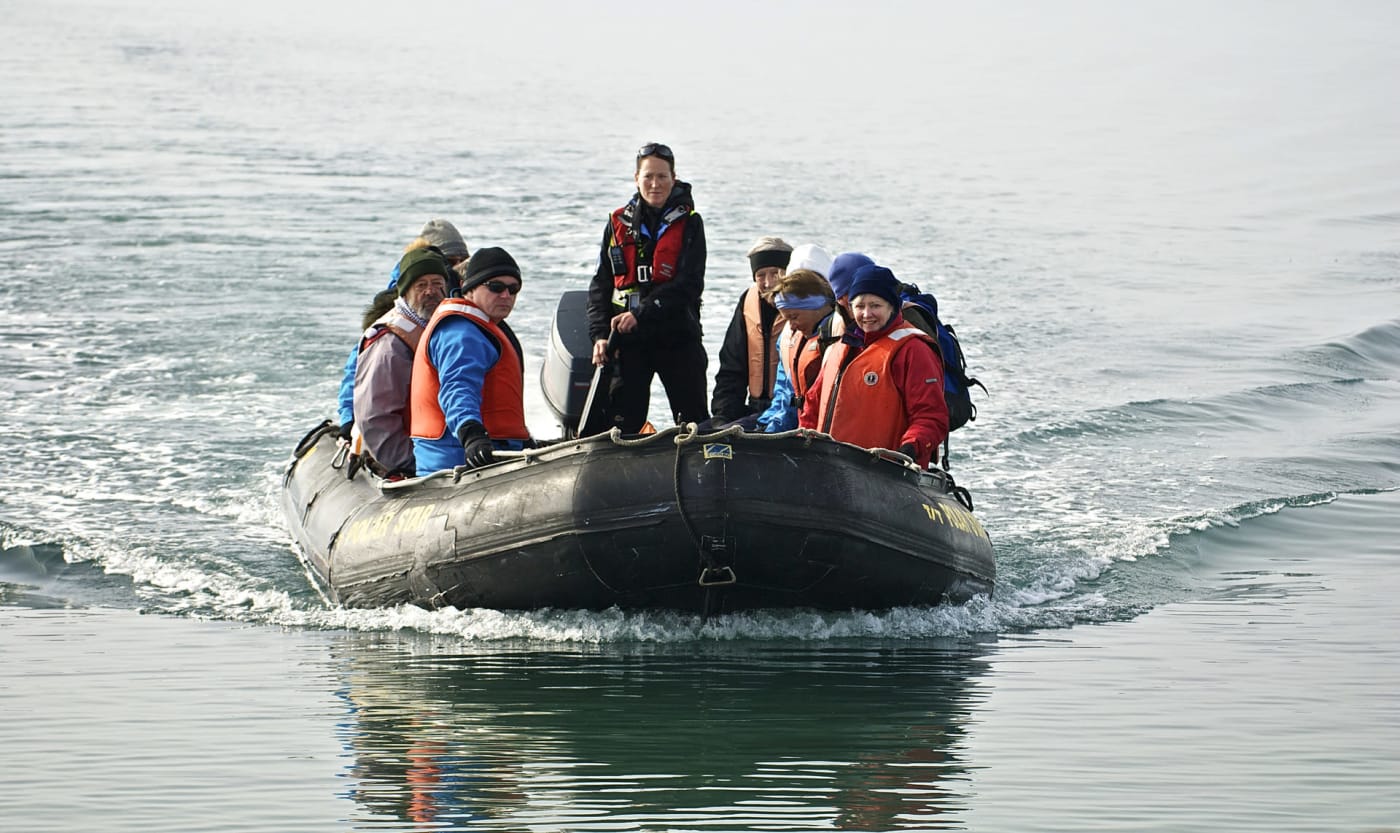
Not every activity is available on every ship or sailing, and landings are never guaranteed. Safety, weather and ice conditions always take priority.
The advantage is the time and flexibility to explore.
Will an expedition cruise give me a better chance of seeing polar bears?
A dedicated expedition itinerary can provide more opportunities to search for wildlife, particularly when it spends several days exploring suitable areas of the archipelago.
However, polar bears are wild animals. Their movements depend on food, sea ice, weather and many other factors.
No operator can guarantee a sighting, and even a longer voyage may not deliver the encounter you hoped for.
What an expedition cruise offers is the opportunity to explore more extensively and spend more time looking for wildlife in its natural environment.
Do I need to be very fit to go on an expedition cruise?
Not necessarily.
Expedition cruising is not just for people who want challenging hikes, kayaking or strenuous activities.
Some guests enjoy active excursions, while others prefer gentle walks, Zodiac cruises, photography and wildlife watching from the ship.
The important consideration is the particular ship and the excursions offered. Getting into a Zodiac, stepping ashore or walking on uneven ground may require a reasonable level of mobility.
If you have specific mobility requirements, these should be discussed before booking so that the right voyage can be chosen.
Are expedition cruises all-inclusive?
Many expedition cruises include a substantial range of meals, drinks, guided landings and onboard educational activities. However, the precise inclusions differ between operators and individual voyages.
Flights, pre-cruise hotels, insurance, premium drinks and optional activities may be treated differently depending on the package.
It is worth comparing the full holiday rather than the cruise price alone.
Which expedition cruise is best?
There is no universal answer.
HX, Aurora Expeditions and Swan Hellenic have different ships, accommodation styles, onboard atmospheres, itineraries and approaches to expedition travel.
Some travelers will prioritise a smaller ship and a strong emphasis on exploration. Others may place greater importance on accommodation, dining, service or the range of onboard facilities.
This is where specialist advice can be particularly valuable.
We are preparing a separate guide comparing HX, Aurora Expeditions and Swan Hellenic, helping you understand the differences between their ships and decide which style of expedition best suits you.
For now, the important question is whether a dedicated expedition cruise matches what you want from Svalbard.
Will I see polar bears and other Arctic wildlife?
For many visitors, polar bears are the main reason for choosing Svalbard.
The archipelago is an important polar bear habitat, and an expedition can offer the opportunity to see these magnificent animals in the wild. But sightings are never guaranteed.
You may spend hours scanning the shoreline or sea ice before an encounter occurs. Equally, wildlife can appear unexpectedly when you least expect it.
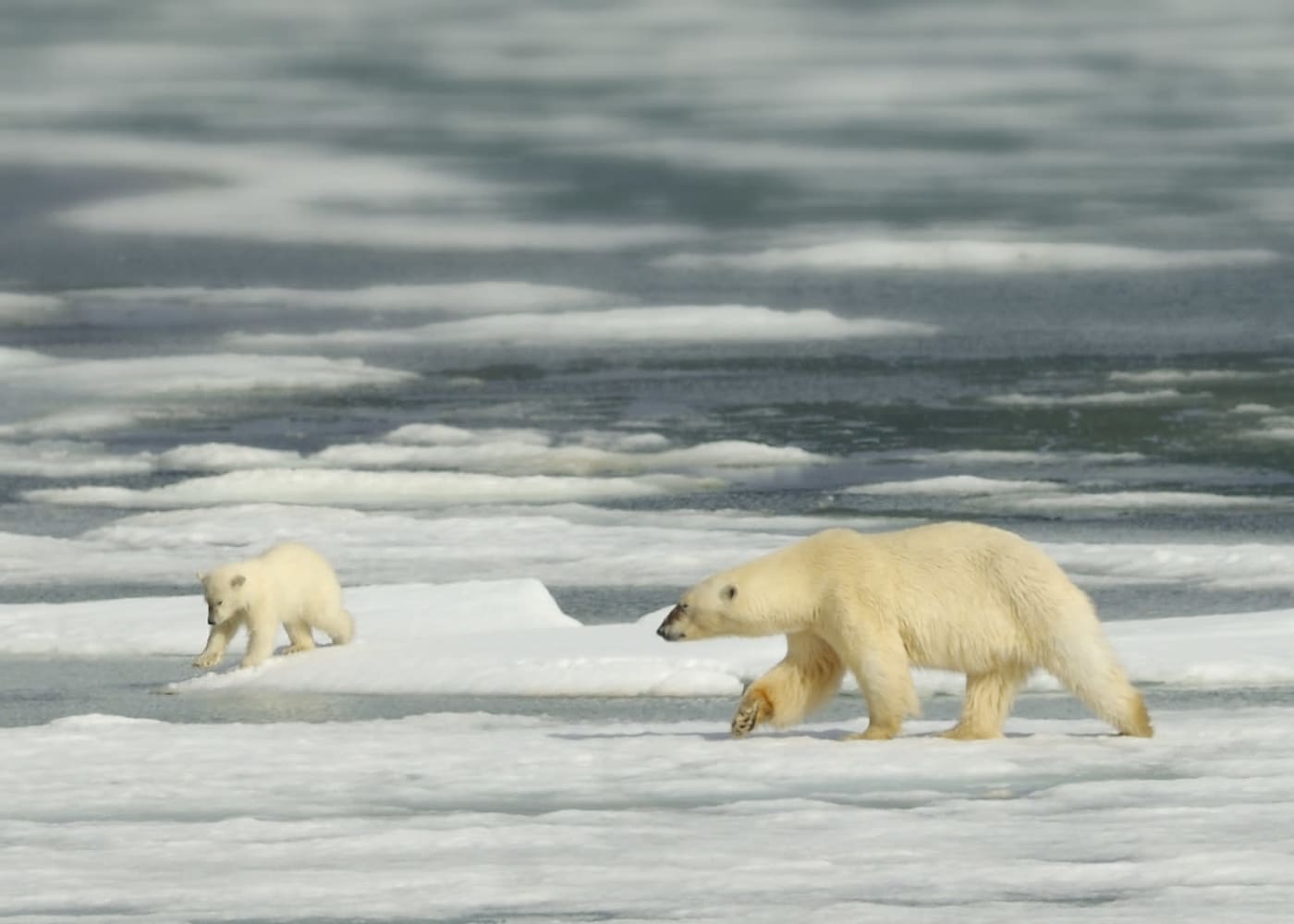
That uncertainty is part of what makes the experience so special.
Svalbard is also home to walrus, Arctic foxes, reindeer and a wide variety of seabirds. Depending on the season and location, you may encounter beluga, humpback or other whales.
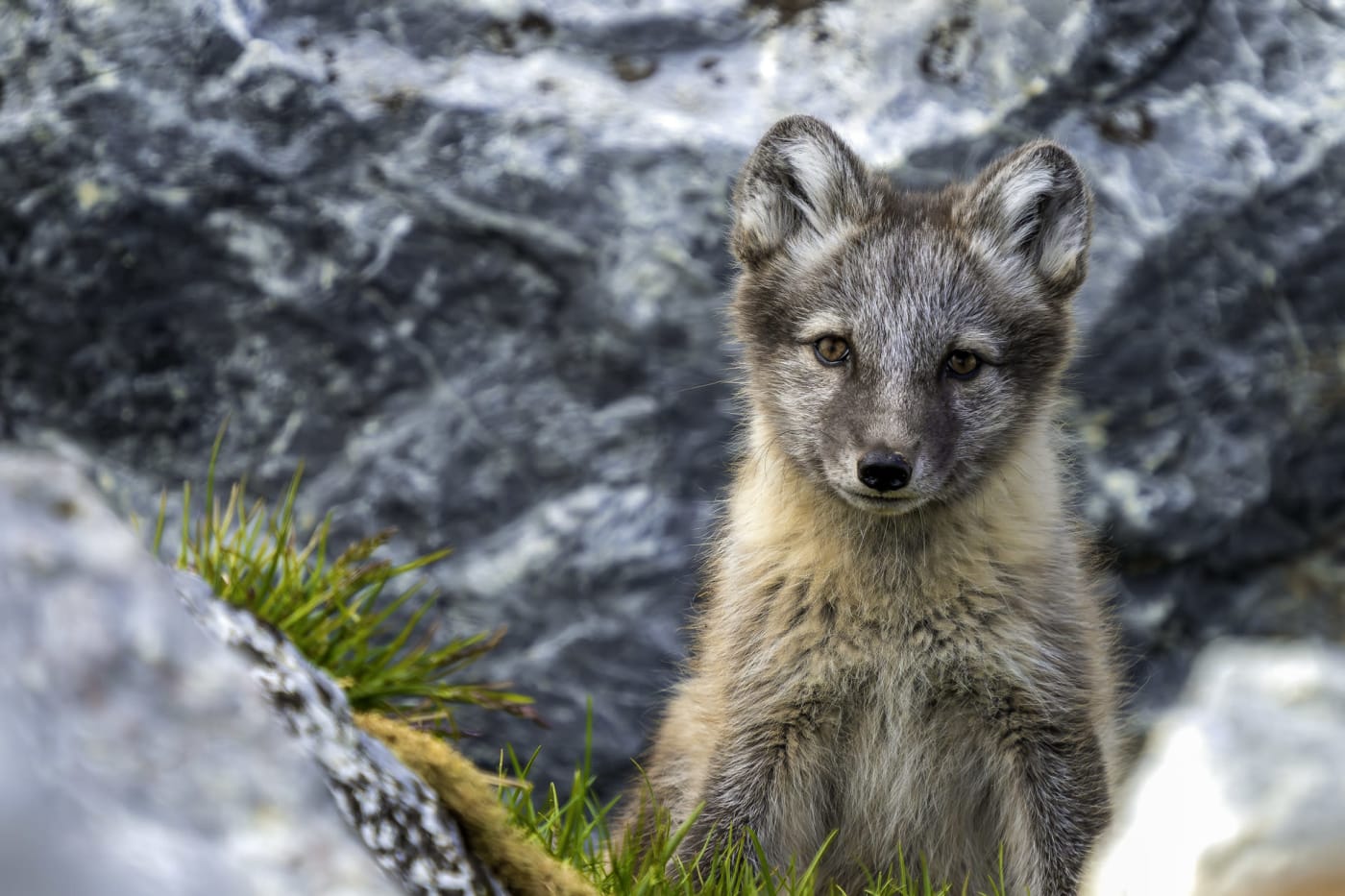
The wildlife you see will depend on the itinerary, time of year and prevailing conditions.
If wildlife is your main priority, look carefully at how much time a cruise spends exploring Svalbard itself. A longer expedition can provide more opportunities to search, although it cannot guarantee any particular sighting.
When is the best time to visit Svalbard?
Svalbard is a destination with two very different personalities.
Summer is the principal season for wildlife-focused cruising and expedition travel. Winter offers a different set of experiences, centred on the Northern Lights, snow and Arctic adventure.
Summer: wildlife, glaciers and the Midnight Sun
During the Arctic summer, daylight hours are exceptionally long, and around the Midnight Sun period the sun remains above the horizon throughout the day and night.
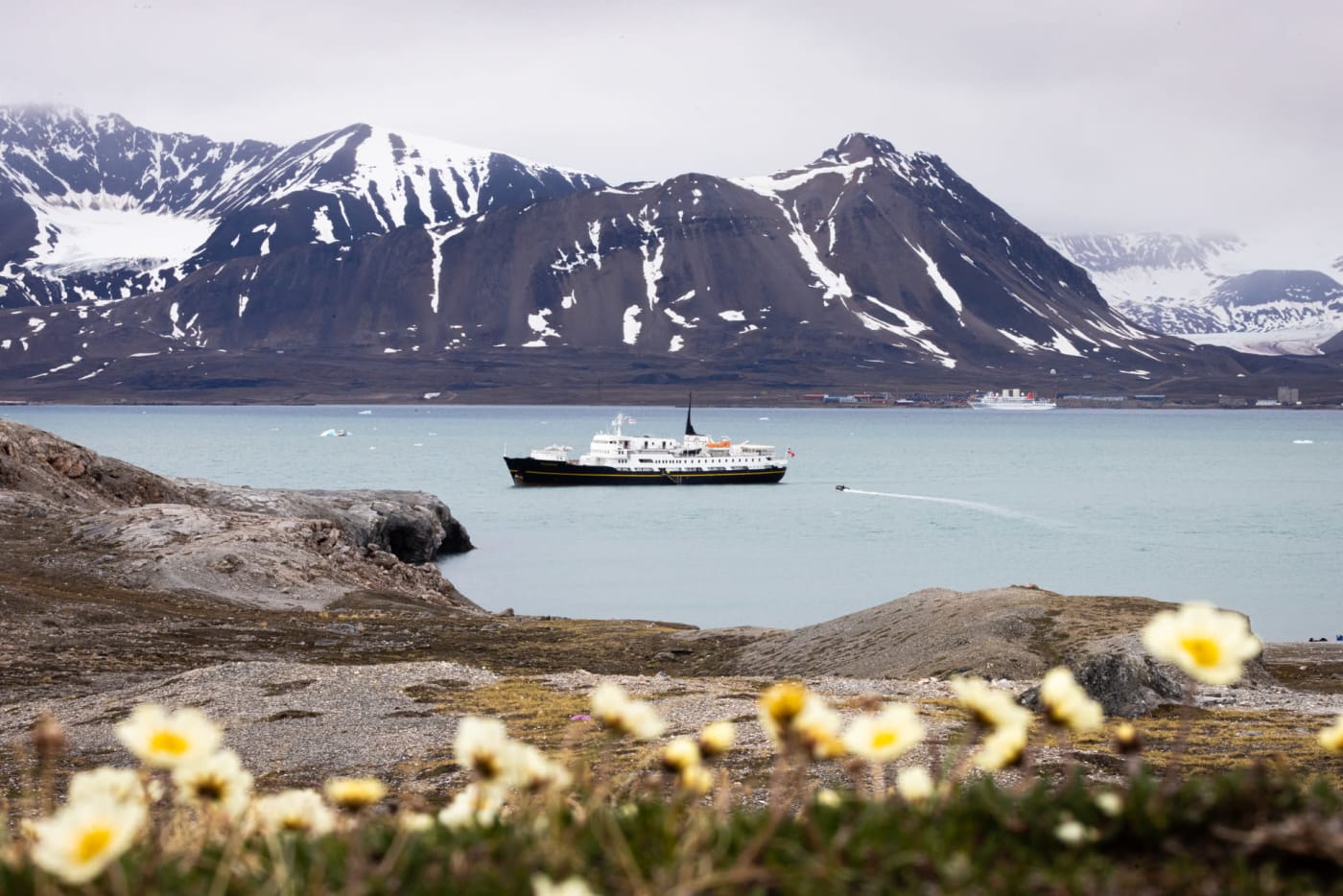
The landscape comes alive with migratory birds, while melting ice and changing conditions influence where ships can travel.
Summer is the season to consider if you want to:
- Search for polar bears and other Arctic wildlife.
- Explore glaciers and remote fjords.
- Enjoy Zodiac excursions and guided landings.
- Experience the extraordinary light of the Midnight Sun.
- Discover Svalbard through a dedicated expedition cruise.
Different parts of the summer can offer different conditions and wildlife opportunities, so the best departure depends on your priorities.
Winter: Northern Lights and Arctic adventure
Winter Svalbard is a very different proposition.
The darker months provide opportunities to experience the Northern Lights, while organised activities may include dog sledding, snowmobiling and ice-cave excursions.
The polar night, when the sun remains below the horizon for an extended period, gives the region a distinctive atmosphere.
Winter appeals to travelers who actively seek a remote, rugged Arctic experience. It is less about sailing around the archipelago in search of wildlife and more about experiencing the Arctic environment from a land-based base.
Is Svalbard better than Lapland for a winter holiday?
Not necessarily.
For many people who want a convenient Northern Lights break, festive experiences, reindeer encounters or a first dog-sledding adventure, Finnish Lapland may be the more straightforward choice.
Svalbard offers something different: a more remote High Arctic setting that appeals to people who want their winter holiday to feel like an adventure into the wilderness.
Both have their merits. The best choice depends on whether you want a traditional winter holiday or something more rugged and exploratory.
How much does a Svalbard holiday cost?
The cost depends on the length of the trip, the type of ship, cabin category, time of year and what is included.
A Norwegian coastal voyage that includes Svalbard, a short package focused on the archipelago and a longer expedition cruise are very different products. Their prices should be compared in the context of the experience they offer.
When comparing prices, consider:
- How many nights are included and how much time is spent in Svalbard.
- Whether flights, transfers and hotels are included.
- Cabin category and onboard facilities.
- Meals, drinks and other inclusions.
- Whether guided excursions and Zodiac landings are included.
- The cost of optional activities and any additional nights.
A lower headline price is not necessarily better value if it does not deliver the experience you want. Equally, a full expedition cruise may be more than you need if your main aim is to combine Norway with a taste of the Arctic.
Prices and availability change, so we recommend comparing actual departures and complete holiday costs before making a decision.
Is Svalbard suitable for older travelers?
Yes. Svalbard can be a wonderful destination for mature travelers, and you do not have to be an extreme adventurer to enjoy it.
The key is choosing the right style of holiday.
The Svalbard Line may suit travelers who prefer scenic sailing, comfortable accommodation and visits to established communities. The Mini-Cruise offers a more focused Arctic experience over a shorter period. A full expedition cruise may suit those who want to explore more extensively, with a choice of activities depending on the ship and itinerary.
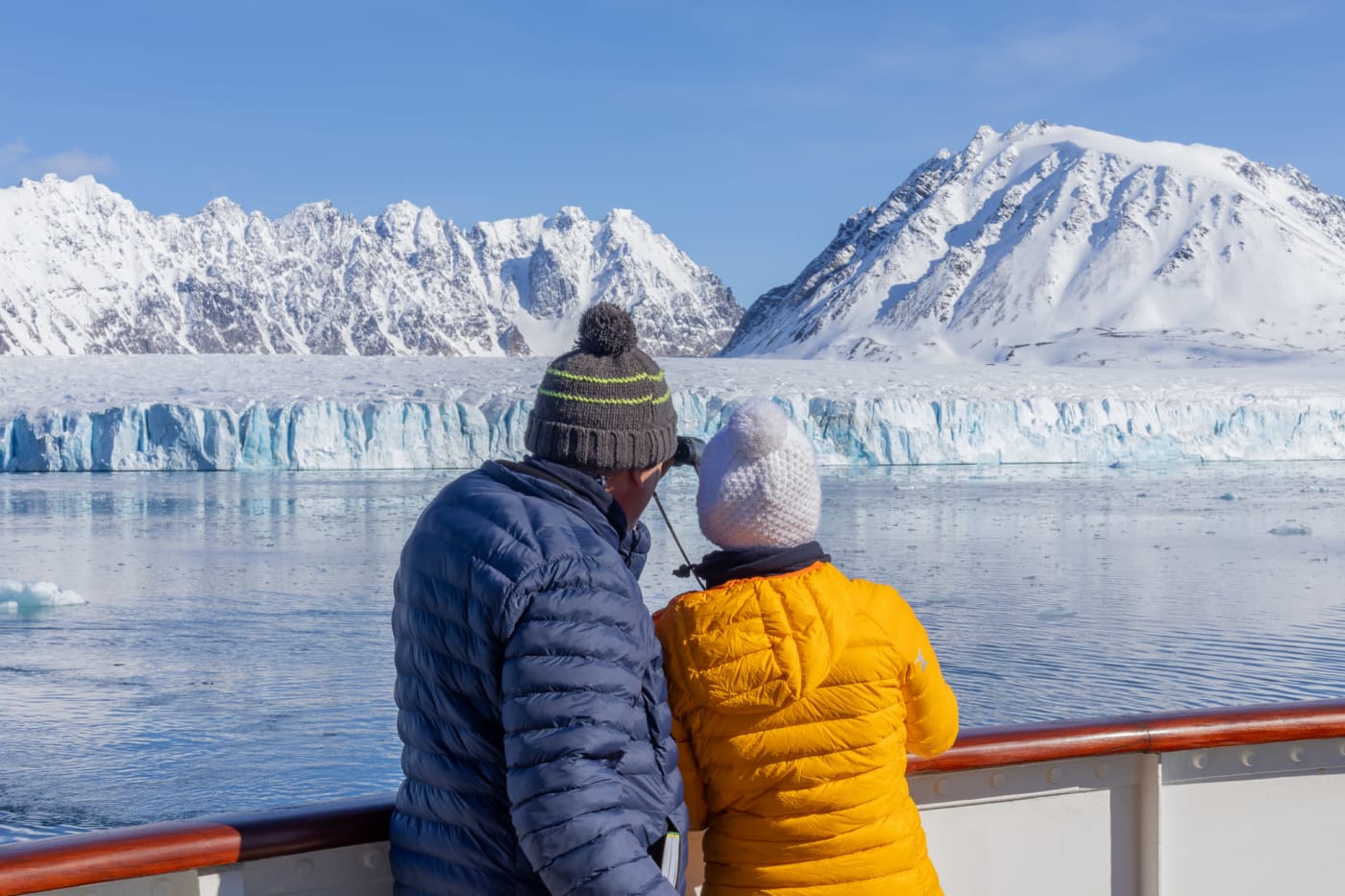
However, some excursions require a degree of mobility, particularly when boarding small boats or walking on uneven terrain.
Which Svalbard holiday is right for you?
The best Svalbard holiday is not necessarily the longest or most expensive. It is the one that delivers the experience you are hoping for.
Choose the Svalbard Line if you want to combine Norway's coastline and communities with an introduction to the Arctic.
Choose the Hurtigruten Svalbard Mini-Cruise if you want a shorter, more focused experience of Svalbard, with opportunities for guided exploration and wildlife watching.
Choose a full expedition cruise if your main ambition is to explore the wilderness in greater depth, with more time for wildlife searching, remote landings and the changing landscapes of the High Arctic.
And if you are more interested in Northern Lights, dog sledding and snow-based activities, a winter land-based holiday may be the better choice.
There is no single right answer. What matters is understanding the differences before you book.
Frequently asked questions about Svalbard holidays
Is Svalbard worth visiting?
Absolutely, particularly if you are drawn to Arctic scenery, wildlife, exploration and destinations that feel genuinely remote. The right itinerary makes a significant difference to the experience.
Can you see polar bears on a Svalbard cruise?
Yes, but sightings are never guaranteed. A dedicated expedition cruise can provide more opportunities to search for wildlife, depending on its itinerary and conditions.
What is the difference between Svalbard and Spitsbergen?
Svalbard is the archipelago, while Spitsbergen is its largest island. Longyearbyen, the main settlement, is located on Spitsbergen.
What is the best month to visit Svalbard?
Summer is generally best for wildlife-focused cruising and expedition travel. Winter is more suitable for Northern Lights experiences and snow-based activities. The best month depends on what you want to experience.
Do I need to book an expedition cruise to see Svalbard?
No. The Svalbard Line and Hurtigruten Svalbard Mini-Cruise offer alternatives. A full expedition cruise is usually the most comprehensive choice if exploring remote areas and searching for wildlife are your main priorities.
Can I visit Svalbard in winter?
Yes. Winter holidays can include Northern Lights experiences, dog sledding, snowmobiling and other organised Arctic adventures. The available activities depend on the season and conditions.
Is Svalbard suitable for first-time expedition travelers?
Yes. The Mini-Cruise can be an excellent introduction, while a full expedition cruise may suit those ready for a longer, more immersive experience. The right choice depends on your interests, budget and comfort with adventure.
Let Suitcase Travel help you choose your Svalbard adventure
Svalbard is not simply somewhere to visit. It is somewhere to experience.
For some people, that means sailing along Norway's coastline before reaching the High Arctic. For others, it means a shorter voyage focused on Spitsbergen, or a full expedition into remote landscapes in search of wildlife.
Our role is to help you understand the choices and find the holiday that is right for you.
At Suitcase Travel, we can help you compare itineraries, ships, inclusions and costs, whether you are considering a short Arctic adventure or a once-in-a-lifetime expedition.
Speak to our team
Thinking about visiting Svalbard? Speak to our team.
Tell us what you hope to experience, and we will help you decide which approach is best for you.
Your holiday. Your interests. Our advice.
Or email holidays@suitcasetravel.co.uk